Kamchatka Red King Crab
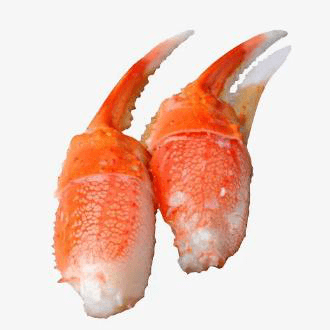
King Crab Claw Meat
Claw meat is the sweetest meat on the animal, with a denser, shorter fibre than the leg sections. Shell-free and sold by the kilogram, it gives full king crab flavour without the work.
- Format
- Per kg, shell-free
- Condition
- Cooked, frozen at origin, held at −18°C
- Origin
- Kamchatka fishery, North Pacific
- Servings
- Small quantities go far as a starter or canapé
Pricing on request — availability confirmed against the weekly landing list.
What claw meat is for
Its denser, shorter fibre does not slice into whole pieces the way merus does, so it belongs where flavour matters more than shape: crab cocktails, rolls, bisque and canapés.
As a starter or canapé, small quantities make a generous impact.
Handling
Keep frozen at −18°C or below until the day of use, thaw in the refrigerator, and use it the same day or the next. Never re-freeze thawed crab — it turns watery and stringy.
Best for
- —Crab cocktails and rolls
- —Bisque and sauces
- —Canapés and starters
Questions buyers ask
Is king crab claw meat as good as leg meat?
It is the sweetest meat on the crab, with a denser, shorter fibre. It does not plate as a whole piece like merus, so it costs less per kilogram and suits dishes where the meat is flaked or folded through.
How much claw meat do I need for canapés?
Much less than for a main course. Claw meat is shell-free and rich, so small quantities per canapé or starter carry the flavour.
How can I tell if crab meat has been re-frozen?
Heavy ice crystals inside the packaging, freezer burn, or meat that looks dry. Once thawed, re-frozen crab releases excessive liquid and the meat is stringy rather than firm.
Buyer’s guides
- King Crab Cuts Explained — Merus, Clusters, Claw
- How to Store King Crab — Freezer, Fridge and After Thawing
- Frozen vs Live King Crab — Which Should You Buy?